
15 Sustainable Packaging Design Ideas for Eco-Friendly Brands
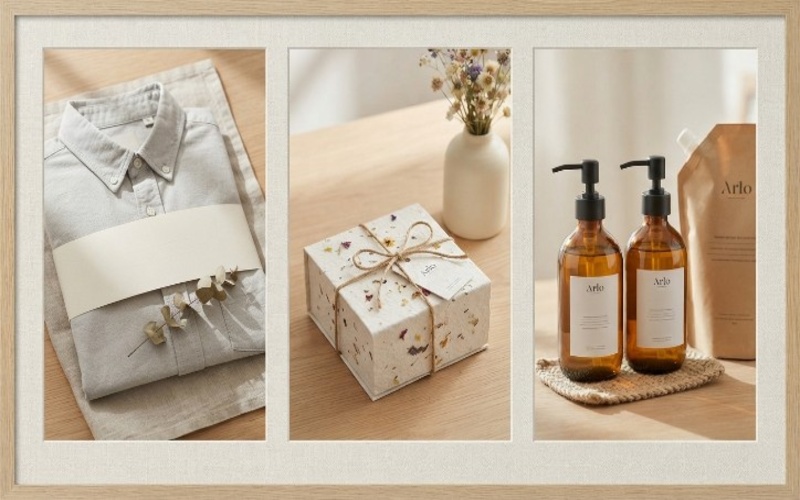
Sustainable packaging is made to protect a product while creating less waste. But good sustainable packaging design is about more than choosing a “green” material. The size, shape, weight, and use of the package all matter. For example, a smaller box can use less material and make shipping easier. In this guide, we’ll share simple and useful sustainable packaging design ideas that can help your brand reduce waste without losing its style. These eco-friendly packaging ideas can work for small businesses, online stores, and growing brands.
What Is Sustainable Packaging Design?
Sustainable packaging design means creating packages that protect products while using fewer resources and creating less waste. It’s not only about choosing sustainable packaging materials. The size, shape, weight, and life of the package also matter.
1. It Uses Less Waste
A smaller box can use less cardboard and take up less space during shipping. Using fewer layers, inserts, and fillers can also cut down on waste. Good eco-friendly packaging design keeps the package simple without removing needed protection.
2. It Protects the Product
Sustainable packaging still needs to keep products safe. A package that breaks or gets damaged during shipping can create more waste. The goal is to use only the protection the product really needs.
3. It Thinks About the Package’s Full Life
Good design looks at the package from start to finish:
- Where the materials come from
- How the package is made
- How it is shipped
- Whether it can be reused
- What happens after use
In simple words, sustainable packaging should work well from make to ship to use to reuse or recycle.
15 Sustainable Packaging Design Ideas
If you’re looking for sustainable packaging ideas, start with simple changes. You don’t always need a new material or a complex design. Small changes in size, materials, and how customers use the package can make a real difference. Here are 15 practical sustainable packaging examples to help you find the right fit for your brand.
1. Use Recycled Cardboard
Recycled cardboard is a simple choice for shipping boxes and product packaging. It can protect many types of products while using recycled material. It’s also easy to print and customize for your brand.
2. Make Smaller, Right-Sized Boxes
A large box with lots of empty space uses more material. It can also take up more room during shipping. A right-sized box fits the product more closely, which can help reduce waste and shipping space.
3. Replace Plastic Inserts With Paper or Fiber
Plastic trays and inserts aren’t your only options. Molded fiber trays and paper inserts can protect products such as cosmetics, food, and small electronics. Choose the option that gives your product enough protection.
4. Try Reusable Packaging
Give your package a second life. A strong box, bag, or container can be used again for storage or another purpose. This keeps the package useful for longer instead of sending it straight to the trash.
5. Use Refillable Packaging
Refillable packaging works well for products people buy again and again. Beauty products, cleaning supplies, food, and personal care items can all use refill systems. Customers keep the main container and replace only what they need.
6. Choose Plantable Packaging
Plantable packaging can give paper a second life. Seed paper can contain small seeds that customers can plant after they remove the product. This idea works well for gift boxes, cards, tags, and small product packages.
7. Explore Mycelium Packaging
Mycelium is the root-like part of mushrooms. It can be grown into protective packaging shapes. It’s an interesting option for products that need cushioning during shipping. However, always check if it fits your product and budget before making the switch.
8. Use Minimalist Packaging
Sometimes less really is more. Remove extra layers, large inserts, unneeded decorations, and excess printing. A clean package can still look professional while using fewer resources.
9. Try Paper Sleeves
A paper sleeve can sometimes replace a full box. It can hold product details, branding, and instructions without adding another large layer of packaging. This works well for products that already have their own container.
10. Use Mono-Material Packaging
Mono-material packaging uses one main type of material instead of several materials joined together. This can make the package easier to sort and recycle in some recycling systems. Always check local recycling rules before making a claim.
11. Design Packaging for a Second Use
Think about what the customer can do with the package after opening it. A box could become a storage box, desk organizer, plant pot, or gift box. This can make the package useful for longer.
12. Use Reusable Fabric Packaging
Fabric bags can replace some single-use wrapping. Customers can reuse them for shopping, storage, travel, or gifts. This simple idea can also give your brand a useful package customers want to keep.
13. Add Clear Recycling Instruction
Make disposal easy to understand. Tell customers which parts can be recycled, reused, or composted when those options are available. Simple instructions can help prevent recyclable materials from going into the wrong bin.
14. Use Less Ink and Simple Printing
A simple package can still look great. Use clean layouts and avoid printing that doesn’t add value. Fewer colors and less coverage can reduce the amount of ink used while keeping your brand easy to recognize.
15. Design Packaging for Easy Shipping
Shipping is part of packaging design. Lightweight materials, compact shapes, stackable boxes, and strong protection can help make shipping more efficient. The goal is to protect the product without adding unnecessary size or weight.
Quick Comparison
| Idea | Cost | Best For | Main Benefit |
|---|---|---|---|
| Recycled cardboard | Low | Ecommerce | Easy to use |
| Right-sized boxes | Low | Shipping | Less waste |
| Reusable packaging | Medium | Premium products | Longer package life |
| Refillable packaging | Medium | Beauty and food | Less repeat waste |
| Mycelium | Higher | Protective packaging | Plastic alternative |
These innovative Custom CBD Boxes ideas don’t all work for every product. Start with the changes that fit your product, budget, and customers. Even a small packaging change can help reduce waste.
Sustainable Packaging Ideas by Product Type
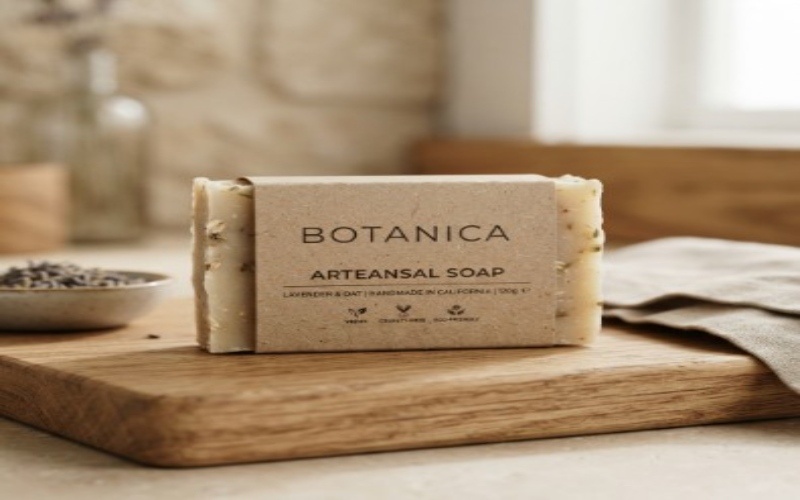
The best sustainable packaging ideas for products depend on what you sell. A shipping box needs different features than a food container or beauty jar. Here are simple options to consider.
Ecommerce Packaging
For online stores, start with right-sized boxes and recycled cardboard. Add paper cushioning instead of plastic fillers when it gives enough protection. Reusable mailers can also work well for products that customers order often. These sustainable packaging for ecommerce options can help reduce extra material and shipping space.
Food and Beverage Packaging
Paperboard and molded fiber can work well for many food products. Refillable containers are another option for products that customers buy again. Recyclable packaging can also help reduce waste. However, food packaging must always meet food safety needs. The package should protect the food from damage and contamination.
Beauty and Personal Care Packaging
Refillable jars, glass containers, and aluminum containers can give beauty products a longer packaging life. You can also use smaller outer boxes or remove them when they aren’t needed. U.S. beauty brands are already testing refill and reusable systems. For example, Izzy Beauty uses refillable mascara tubes with reusable shipping bags.
Clothing and Fashion Packaging
Paper mailers, reusable fabric bags, paper bands, and small amounts of tissue paper can work well for clothing. The goal is simple: protect the item without adding layers that customers don’t need.
How to Choose the Right Sustainable Packaging
Choosing the right sustainable packaging solutions starts with your product. You don’t need the newest material to make better packaging. First, look for simple ways to reduce waste.
Start With Your Product
Ask a few basic questions:
- Is it fragile?
- Does it need moisture protection?
- Is it heavy?
- Does it need food-safe packaging?
Your answers will help you choose the right sustainable packaging materials without putting the product at risk.
Reduce Packaging First
Before changing materials, check what you can remove. Cut out extra layers, empty space, plastic inserts, and decorations that don’t serve a purpose. This simple step can make your eco-friendly packaging design more efficient.
Think About What Happens After Use
Think about where the package goes after the customer is done with it. These terms can help:
| Term | Simple Meaning |
|---|---|
| Recyclable | Can be processed into new material |
| Reusable | Can be used more than once |
| Biodegradable | Can break down over time |
| Compostable | Designed to break down under composting conditions |
In simple words, the best choice is one that fits your product and has a clear end-of-life path.
Common Sustainable Packaging Mistakes to Avoid
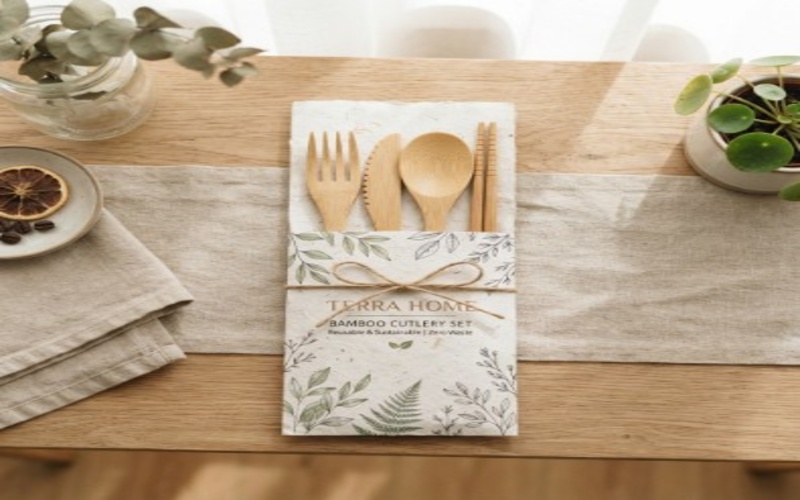
Good sustainable packaging design is about more than picking an eco-friendly packaging material. Small mistakes can reduce its benefits.
Choosing a Material Just Because It Sounds Green
Don’t choose a material only because it sounds natural or green. Look at how it is made, used, shipped, and disposed of. The whole package matters.
Using Too Much Packaging
Recycled material is still material. A large box with extra layers can create more waste than a simple, right-sized package.
Forgetting Product Protection
Your package must protect the product. Damaged goods may need to be replaced, which can create even more waste.
Making Vague Green Claims
Avoid claims like “100% eco-friendly” unless you can prove them. Use clear and honest information instead.
Using Materials That Are Hard to Separate
Mixed materials can make recycling harder. When possible, choose packaging parts that are easy to separate and dispose of.
Simple rule: Use less, protect the product, and make disposal clear.
FAQs
1. What is the most sustainable packaging design?
There isn’t one best choice for every product. Good sustainable packaging design ideas use only the material needed, protect the product, and make reuse, recycling, or proper disposal easier.
2. What is the cheapest sustainable packaging option?
Start with simple changes. Right-size your box, remove extra layers, and use less filler. These eco-friendly packaging ideas can lower waste without a big cost.
3.Is cardboard better than plastic packaging?
It depends on the product. Cardboard may work well for many boxes, but plastic can sometimes provide better protection or longer use. The full life of the package matters.
4. What is the difference between biodegradable and compostable packaging?
Biodegradable materials can break down over time. Compostable materials are made to break down under specific composting conditions.
5. How can a small business make packaging more sustainable?
Start by using less material, choosing suitable sustainable packaging materials, right-sizing boxes, and giving customers clear disposal instructions.
Conclusion
Choosing sustainable packaging doesn’t have to be hard. Start with simple changes that make sense for your product. Use less material, choose the right package size, avoid extra layers, and look for ways to reuse or recycle the package.
The best sustainable packaging design protects your product while creating less waste. It should also fit your budget and be easy for customers to understand.
Make Your Packaging More Sustainable
Ready to improve your packaging? Start with a simple packaging check today. Look for empty space, extra materials, and parts that could be reused or recycled. Then choose eco-friendly packaging ideas that fit your product and customers.
Small changes can lead to less waste and better packaging for your brand.
